Archives
- 2026-10
- 2026-09
- 2026-08
- 2026-07
- 2026-06
- 2026-05
- 2026-04
- 2026-03
- 2026-02
- 2026-01
- 2025-12
- 2025-11
- 2025-10
- 2025-09
- 2025-03
- 2025-02
- 2025-01
- 2024-12
- 2024-11
- 2024-10
- 2024-09
- 2024-08
- 2024-07
- 2024-06
- 2024-05
- 2024-04
- 2024-03
- 2024-02
- 2024-01
- 2023-12
- 2023-11
- 2023-10
- 2023-09
- 2023-08
- 2023-07
- 2023-06
- 2023-05
- 2023-04
- 2023-03
- 2023-02
- 2023-01
- 2022-12
- 2022-11
- 2022-10
- 2022-09
- 2022-08
- 2022-07
- 2022-06
- 2022-05
- 2022-04
- 2022-03
- 2022-02
- 2022-01
-
During the tests in vitro SHP showed the
2022-01-03
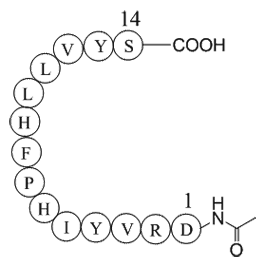
During the tests in vitro, SHP289-04 showed the beneficial effect on both two important aspects. In human liver carcinoma cell line HepG2, it was found to improve glucose consumption significantly. Otherwise, in pancreas cell line NIT1, it could only promote insulin secretion significantly at high g
-
Genetic disruption or pharmacologic inhibition of the
2022-01-03

Genetic disruption or pharmacologic inhibition of the hepatic glucagon pathway has invariably been shown to increase pancreatic α cell mass. This has been observed in glucagon receptor (GCGR) knockout (Gcgr−/−) mice (Gelling et al., 2003), glucagon knockout mice (Hayashi et al., 2009), prohormone co
-
Some but not all GSIs
2022-01-03
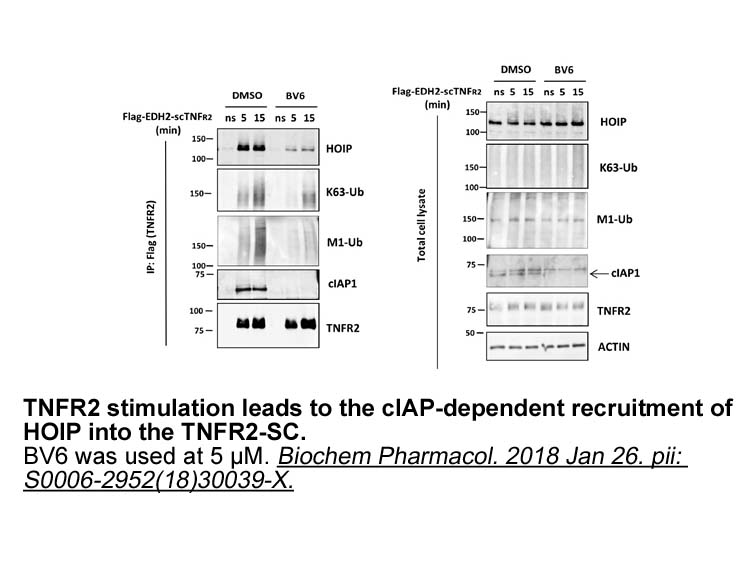
Some, but not all, GSIs inhibit signal peptide peptidases as well, though this has not been systemically studied [36], [41]. When considering biological activities of various GSIs this is an important and understudied caveat that could influence both biological response as well as potential toxiciti
-
br Pathological consequences of disruption in the GABA T cur
2022-01-03
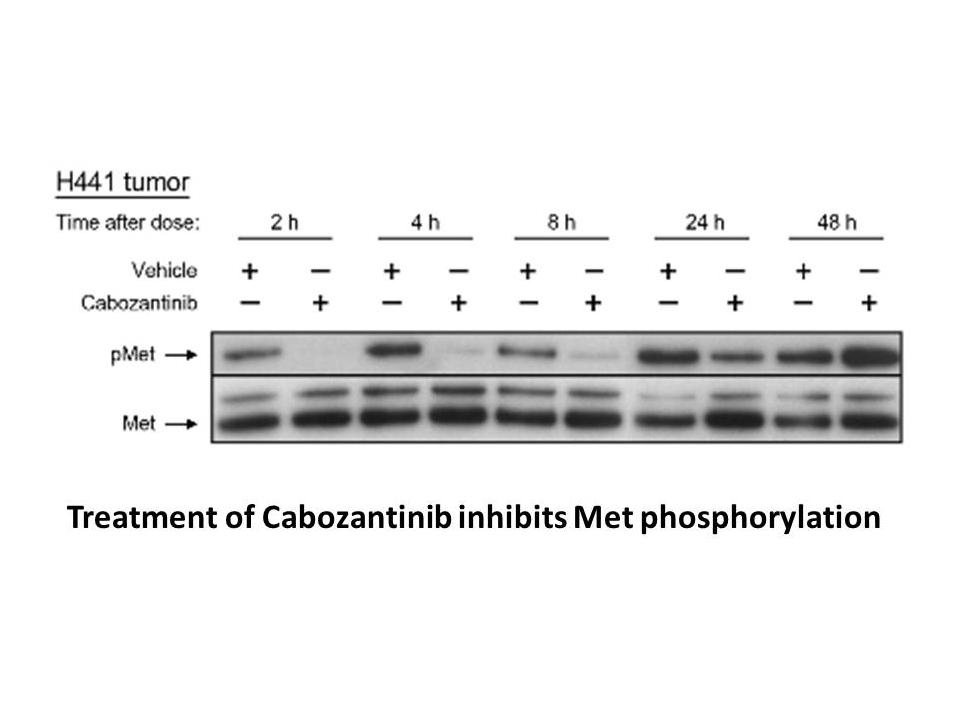
Pathological consequences of disruption in the GABA/T current equilibrium This issue has been particularly investigated in the context of absence seizures. These seizures are non-convulsive epileptic attacks present in many generalized genetic epilepsies that are characterized by a sudden and rel
-
The histamine H receptor H R amino acids is
2022-01-03
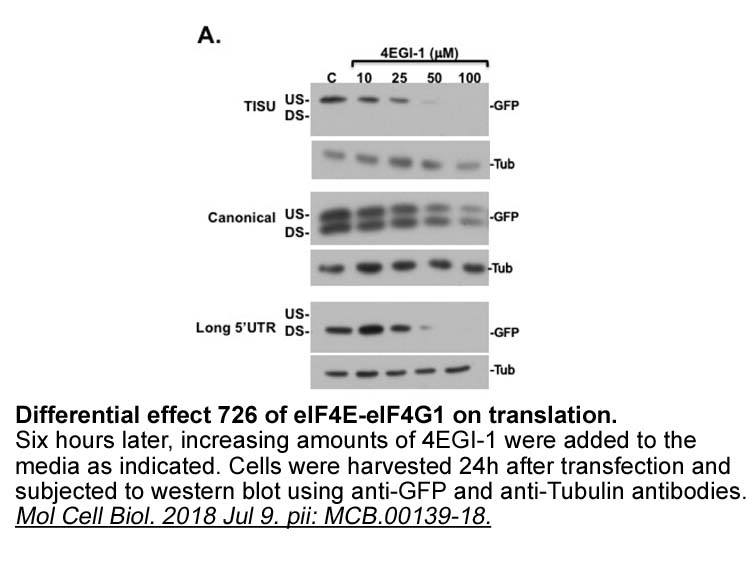
The histamine H3 receptor (H3R; 326–445 amino-acids) is located on histaminergic neuron somata, dendrites and axon varicosities, as well as on the axon varicosities and somata of other neurons, providing negative feedback to inhibit histamine synthesis and the release of histamine or other transmitt
8675 records 579/579 page Previous First page 上5页 576577578579