Archives
- 2026-09
- 2026-08
- 2026-07
- 2026-06
- 2026-05
- 2026-04
- 2026-03
- 2026-02
- 2026-01
- 2025-12
- 2025-11
- 2025-10
- 2025-09
- 2025-03
- 2025-02
- 2025-01
- 2024-12
- 2024-11
- 2024-10
- 2024-09
- 2024-08
- 2024-07
- 2024-06
- 2024-05
- 2024-04
- 2024-03
- 2024-02
- 2024-01
- 2023-12
- 2023-11
- 2023-10
- 2023-09
- 2023-08
- 2023-07
- 2023-06
- 2023-05
- 2023-04
- 2023-03
- 2023-02
- 2023-01
- 2022-12
- 2022-11
- 2022-10
- 2022-09
- 2022-08
- 2022-07
- 2022-06
- 2022-05
- 2022-04
- 2022-03
- 2022-02
- 2022-01
-
The HIV genome encodes for a variety
2022-06-29
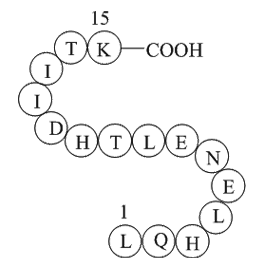
The HIV-1 genome encodes for a variety of viral proteins necessary for target cell entry and viral replication. gp120 is an HIV-1 envelope glycoprotein that mediates viral particle entry by binding to cell surface receptor CD4 and co-receptors CXCR4 and/or CCR5 depending on viral tropism. While CXCR
-
Reports of hyperlocomotion after administration of
2022-06-29
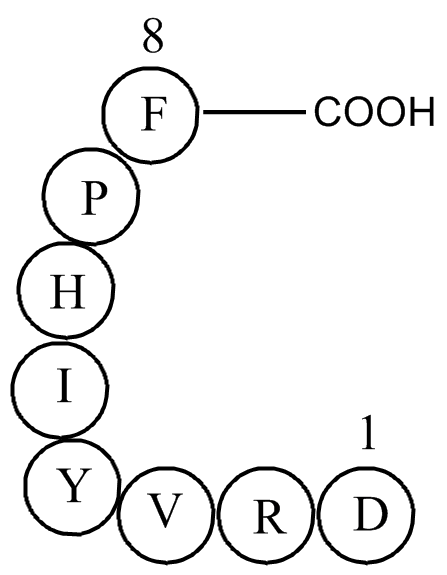
Reports of hyperlocomotion after administration of ALX-5407 [27] coupled with the lack of hyperlocomotion after administration of SSR504734, a non-sarcosine, long-residence time, competitive inhibitor [19], suggested that the GlyT1 inhibitor chemotype may impact OP. Furthermore, a compound with a co
-
Experimental section br Results and discussion br Conclusion
2022-06-29
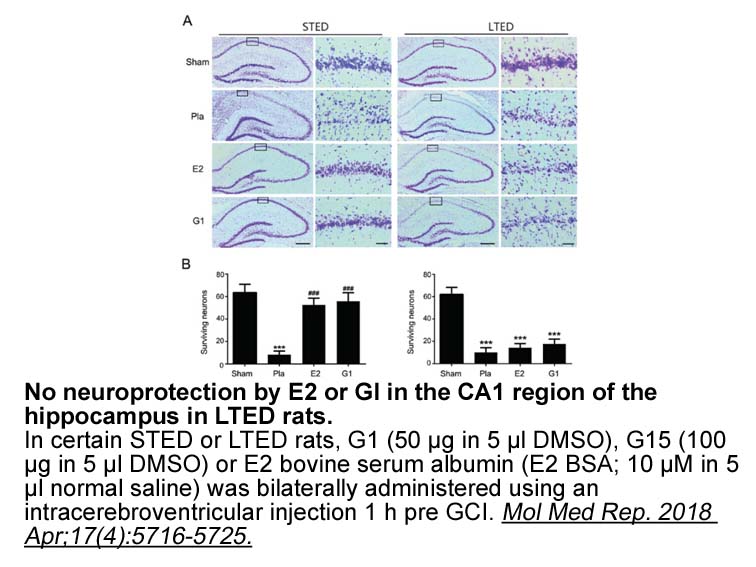
Experimental section Results and discussion Conclusion In summary, we have developed a fluoresence method to sensitively detect hAAG on the basis of TdT-activated Endo IV-assisted hyperbranched amplification. This method shows the following advantages: (1) the combination of TdT-mediated exte
-
Studies dealing with the effects of ischemia
2022-06-29
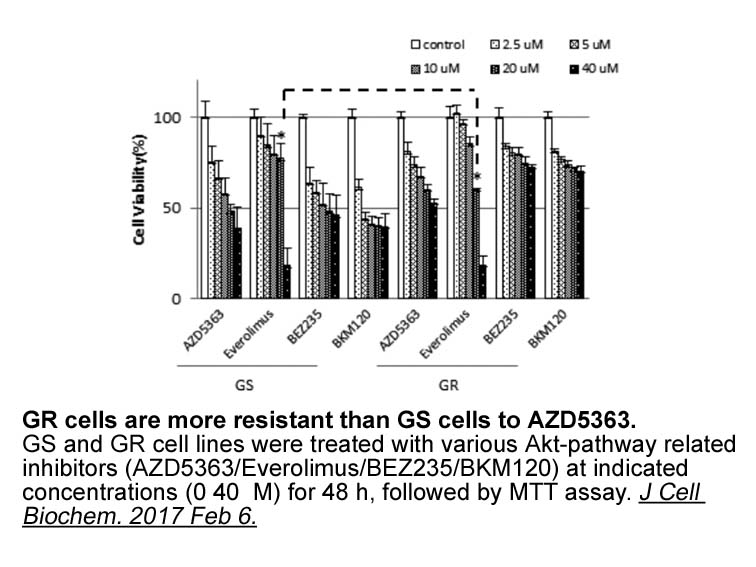
Studies dealing with the effects of ischemia on EAATs have been previously reported, but some discrepancies in literature appear between them probably as a consequence of the different models, species, time of reperfusion after ischemia and age of the animals. Thus, in human, Lidocaine stroke-depen
-
br Functional organization of postsynaptic glutamate recepto
2022-06-29
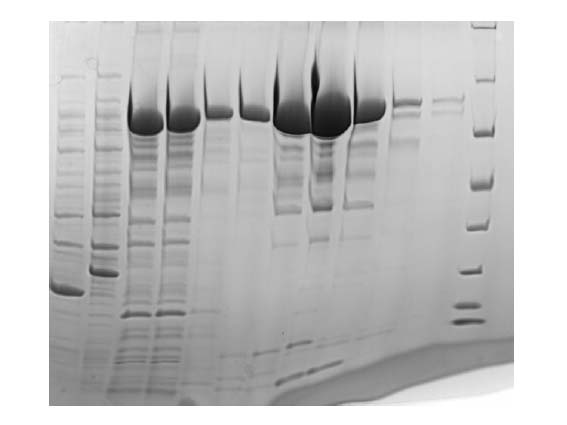
Functional organization of postsynaptic glutamate receptors Downstream effects of glutamate receptor positioning Mechanisms underlying the subsynaptic positioning of glutamate receptors Conclusions and future prospects The molecular organization of synapses is undoubtedly a critical dete
-
br Materials and Methods br Results br
2022-06-29
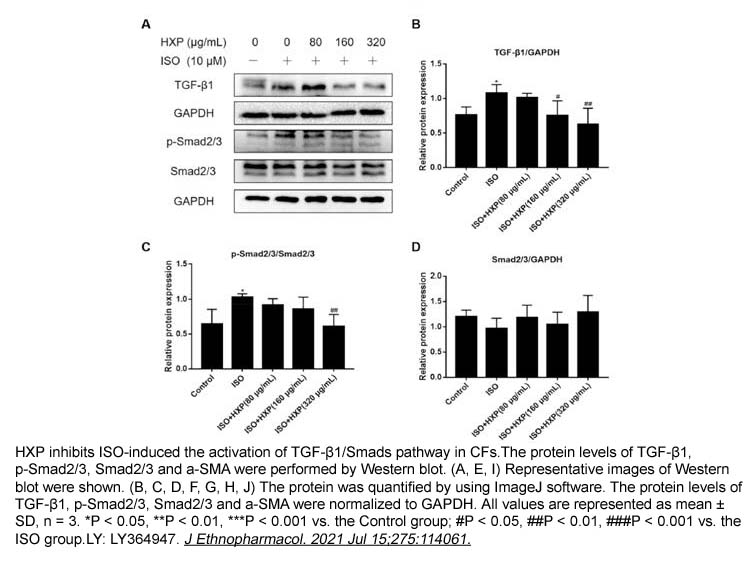
Materials and Methods Results Discussion A model of seizure and excitotoxicity induced by neonatal MSG administration was described recently (19) in which extracellular glutamate increased after the first and second MSG administrations were observed, the greatest increase seen following the
-
In order to consolidate our genetic funding we performed
2022-06-29
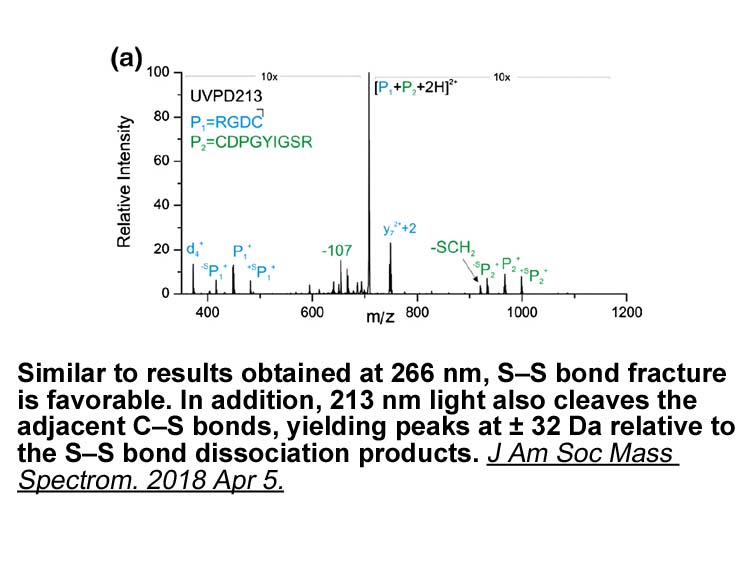
In order to consolidate our genetic funding, we performed several in silico analysis regarding the p.R85W mutation. The high conservation of R85 residue in all species suggests that it has an important role in glucokinase function. Pathogenic effect of the p.R85W is supported by in silico prediction
-
Attempting to further elucidate the role of glucagon
2022-06-29
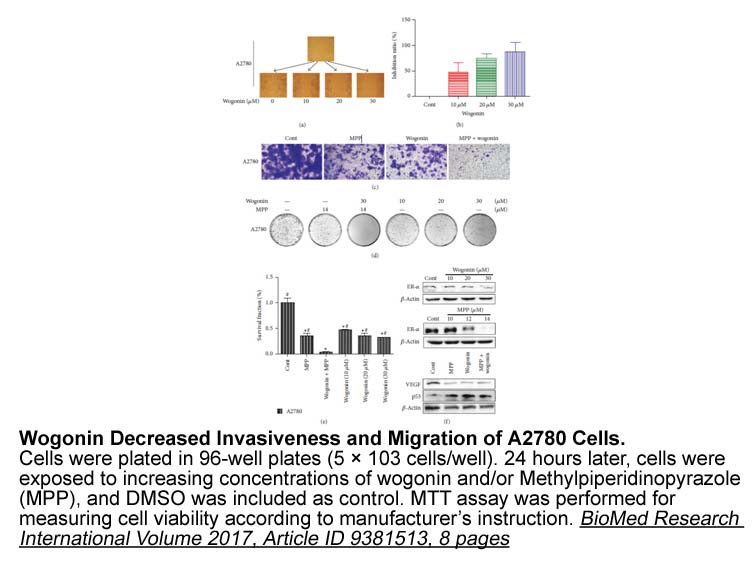
Attempting to further elucidate the role of Closantel Sodium and activation of the Gcgr without the influence of GLP-1, we used DT-Gcg mice with acute knockdown of all proglucagon products. This mouse model has previously been shown previously to have a normal total islet area as well as β cell are
-
br Materials and methods br Results br Discussion Our study
2022-06-29
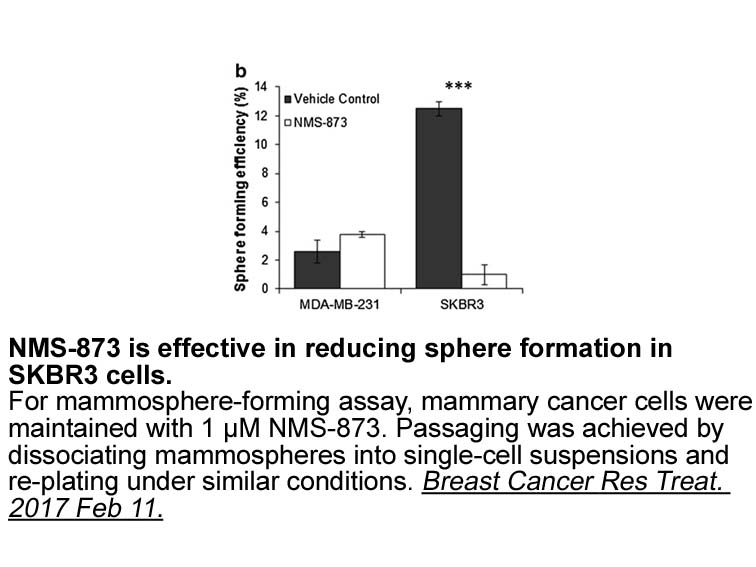
Materials and methods Results Discussion Our study demonstrates that human GIP(3-30)NH2 is a selective GIPR antagonist that inhibits both GIP-mediated cAMP signaling, β-arrestin recruitment, and GIPR internalization. Furthermore, we demonstrate that human GIP(3-30)NH2 binds with high affini
-
Therefore as it stands presenilin has a secretase
2022-06-29
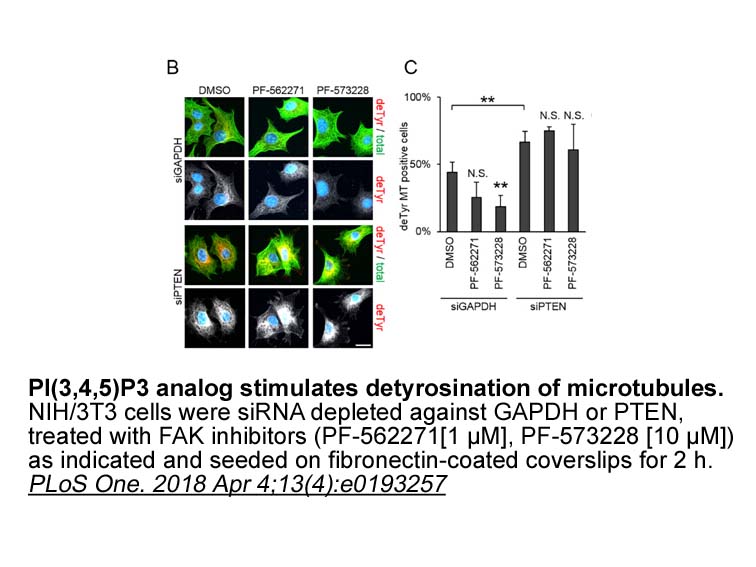
Therefore as it stands, presenilin has a γ-secretase-independent role in regulating protein trafficking, proteolysis and degradation, however given that inhibition of γ-secretase activity can have a negative effect on protein trafficking [69], [98], we cannot exclude the possibility that some of the
-
Among sensitizers tested in the previous study six test chem
2022-06-29
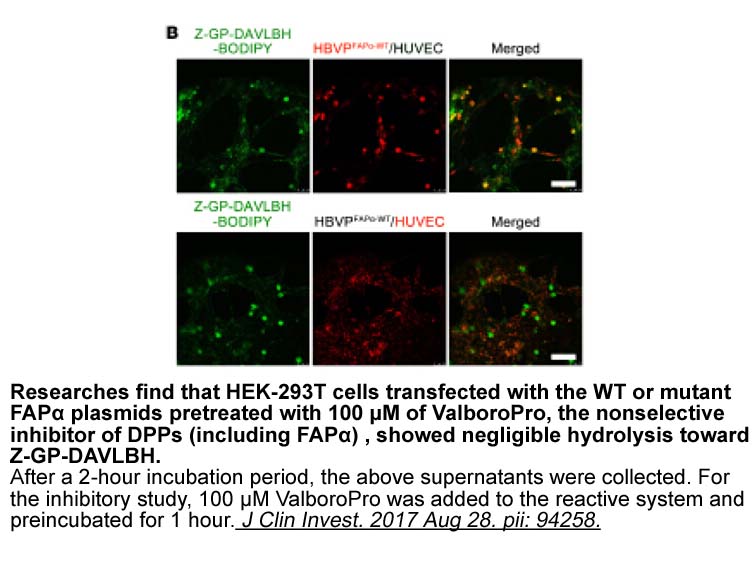
Among 22 sensitizers tested in the previous study, six test chemicals were pre- or pro-haptens (Nepal et al., 2018a). Among 6 chemicals, hydroquinone and 2-aminophenol, strong sensitizers, were falsely classified as non-sensitizers due to the lack of metabolic activation (Nepal et al., 2018a). Liter
-
The central event eliciting insulin secretion is
2022-06-29
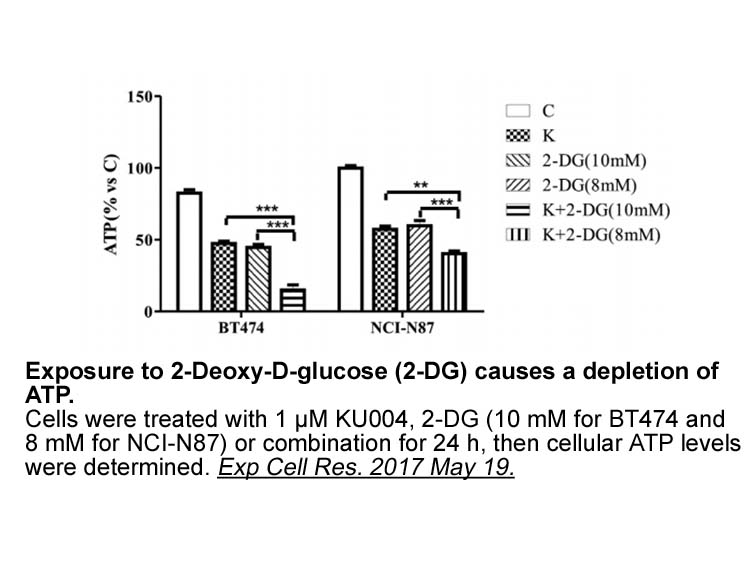
The central event eliciting insulin secretion is the production of ATP which leads to the inhibition of ATP-sensitive inwardly-rectifying K+ATP channels, a consecutive depolarization of the plasma membrane with opening of voltage-dependent Ca2+ channels and Ca2+ influx into the beta-cell. However,
-
LPCs have been previously described as potential anti
2022-06-29
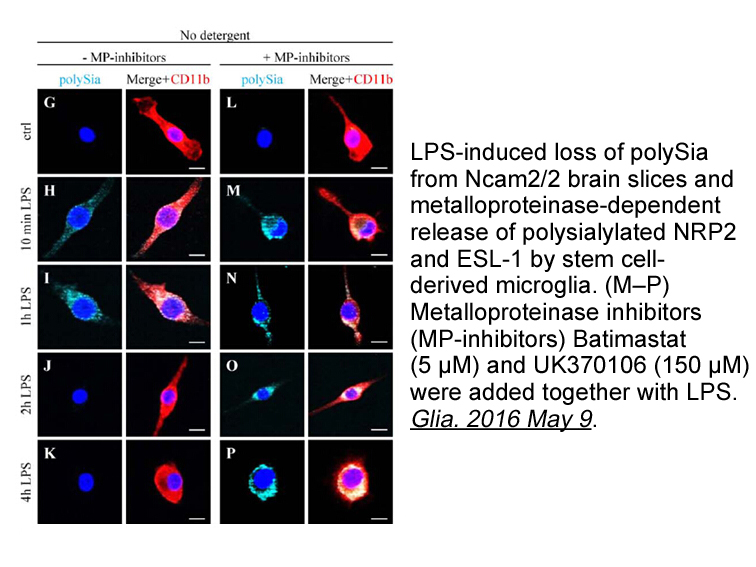
LPCs have been previously described as potential anti-diabetic factors due to stimulation of secretory activity from the isolated rodent pancreas, L-type cells, ands insulin-producing cell lines, with LPC 18:1 as the main structure of interest (Soga et al., 2005, Sakamoto et al., 2006, Overton et al
-
SAR 405 br PEPCK This enzyme decarboxylates
2022-06-29
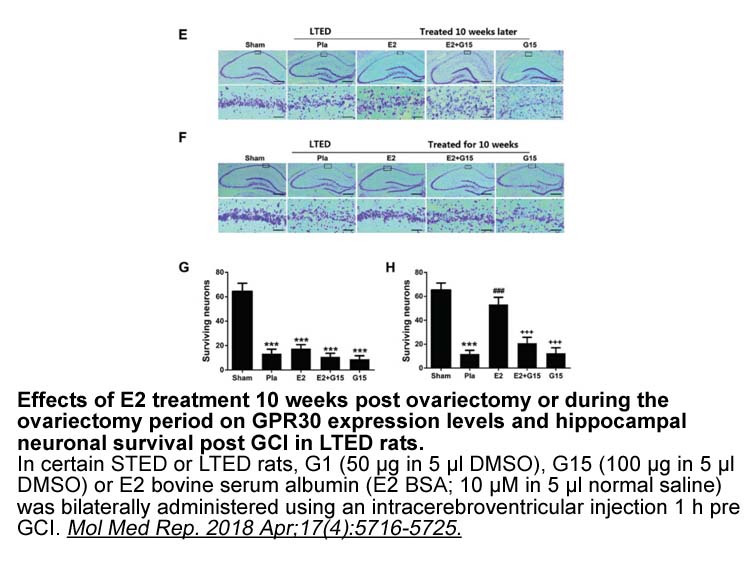
PEPCK This enzyme decarboxylates and then phosphorylates oxaloacetate to form phosphoenolpyruvate (PEP) in the second step of gluconeogenesis after the carboxylation of pyruvate catalyzed by PC. PEPCK1 (PEPCK-C, encoded by the PCK1 gene) and PEPCK2 (PEPCK-M, encoded by the PCK2 gene) are two isof
-
br Acknowledgments This study was financially
2022-06-28
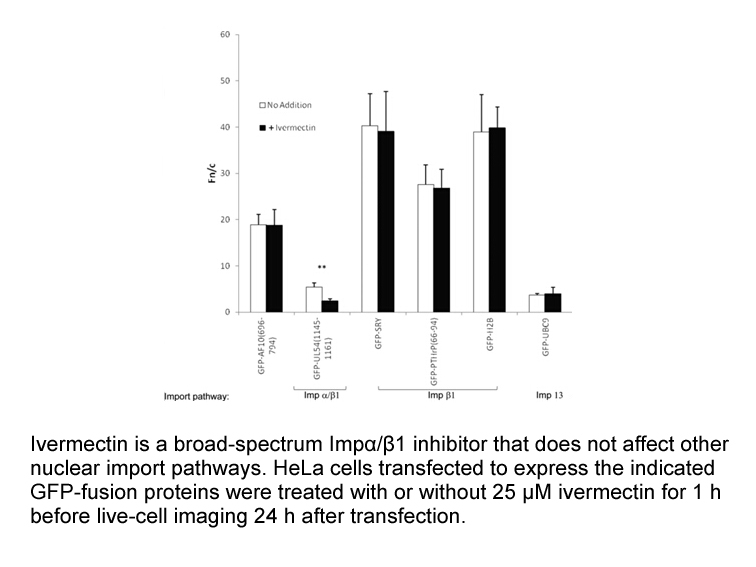
Acknowledgments This study was financially supported by National Science Center Poland grant No DEC-2011/02/A/NZ4/00031 (KKK), Jagiellonian University Medical College (Poland) grants: K/ZDS/007130 (SM) and K/ZDS/007131 (SM), COST Action CA15135 (DŁ, HS, KKK) and DFG INST 208/664-1 FUGG (HS). Than
8659 records 478/578 page Previous Next First page 上5页 476477478479480 下5页 Last page