Archives
- 2026-08
- 2026-07
- 2026-06
- 2026-05
- 2026-04
- 2026-03
- 2026-02
- 2026-01
- 2025-12
- 2025-11
- 2025-10
- 2025-09
- 2025-03
- 2025-02
- 2025-01
- 2024-12
- 2024-11
- 2024-10
- 2024-09
- 2024-08
- 2024-07
- 2024-06
- 2024-05
- 2024-04
- 2024-03
- 2024-02
- 2024-01
- 2023-12
- 2023-11
- 2023-10
- 2023-09
- 2023-08
- 2023-07
- 2023-06
- 2023-05
- 2023-04
- 2023-03
- 2023-02
- 2023-01
- 2022-12
- 2022-11
- 2022-10
- 2022-09
- 2022-08
- 2022-07
- 2022-06
- 2022-05
- 2022-04
- 2022-03
- 2022-02
- 2022-01
- 2021-12
- 2021-11
- 2021-10
- 2021-09
- 2021-08
- 2021-07
- 2021-06
- 2021-05
- 2021-04
- 2021-03
- 2021-02
- 2021-01
- 2020-12
- 2020-11
- 2020-10
- 2020-09
- 2020-08
- 2020-07
- 2020-06
- 2020-05
- 2020-04
- 2020-03
- 2020-02
- 2020-01
- 2019-12
- 2019-11
- 2019-10
- 2019-09
- 2019-08
- 2019-07
- 2019-06
- 2019-05
- 2019-04
- 2018-11
- 2018-10
- 2018-07
-
br AhR Modulators It is now
2025-02-13
AhR Modulators It is now well recognized that ligand-activated AhR induces an immune tolerance response by acting directly on the antigen-presenting DCs and indirectly by increasing the population of immunosuppressive Tregs 24, 95, 96. In addition to inhibiting the formation or depleting the AhR
-
Ten strains of lactobacilli TMW isogenic with strain
2025-02-13
Ten strains of lactobacilli: TMW 1.1434 (isogenic with strain F19 ), TMW 1.1733 (isolated from fermented food), TMW 1.1628 (isolated from baby feces), TMW 1.1609 (isolated from baby feces), TMW 1.1734 (isolated from fermented food), TMW 1.313 (isolated from non-pasteurized Heineken beer), TMW
-
Actin is capable of polymerizing spontaneously However this
2025-02-13
Actin is capable of polymerizing spontaneously. However, this process is relatively slow and kinetically unfavorable in cells. Formation of Liver cell proliferation activator dimers and trimers, which can easily disassemble due to their instability, is a rate-determining step in actin polymerizatio
-
br Actin at presynapses br Conclusion Thanks to the recent
2025-02-13
Actin at presynapses Conclusion Thanks to the recent discovery of rings, hotspots and trails, axonal Zotarolimus is back in the spotlight. These are exiting times for neuronal cell biologists armed with constantly improving labeling and imaging techniques to observe, quantify and perturb thes
-
Comparatively cell based assays appear
2025-02-13
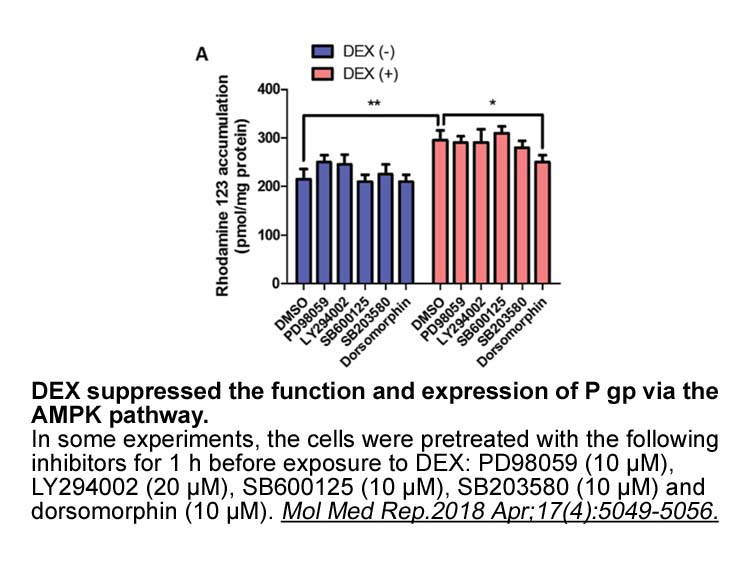
Comparatively, cell-based assays appear to be the most sensitive method to detect patient autoantibodies directed at neurotransmitter receptors. Leite et al. demonstrated that many α-BTX RIA seronegative myasthenic patients do have autoantibodies against the AChR when a highly sensitive immunofluore
-
br Mechanisms of specific immunotherapy
2025-02-13
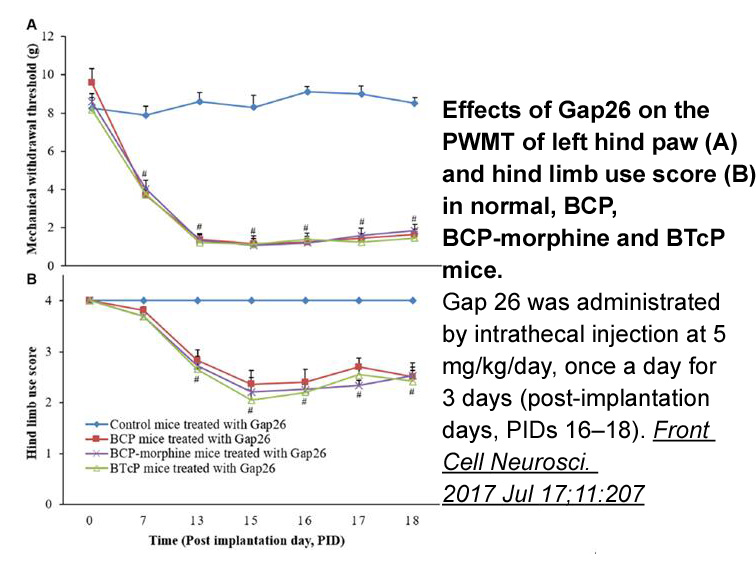
Mechanisms of specific immunotherapy Several mechanisms may be involved in specific immunotherapy of EAMG by active immunization with the therapeutic vaccine in IFA. During the therapy, the therapeutic benefits result from diversion of autoantibody specificities away from pathogenic extracellular
-
br Clinical realities br Commentary on uses of
2025-02-13
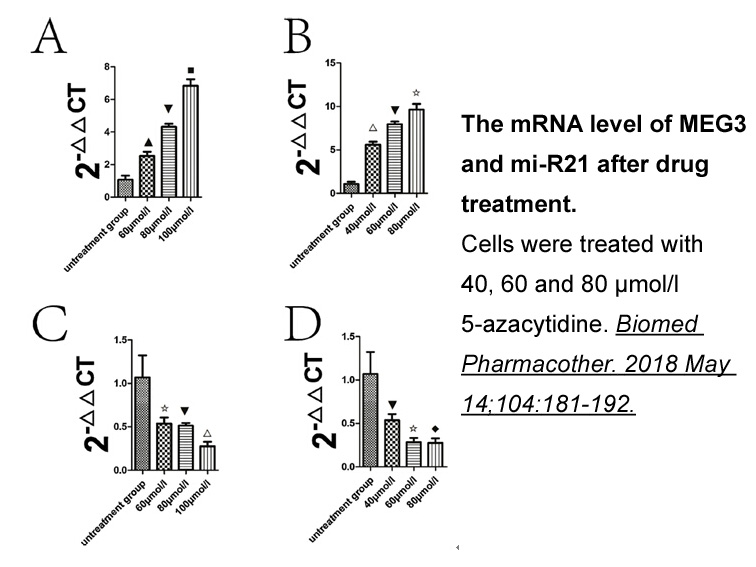
Clinical realities Commentary on uses of selective 17,20 lyase inhibitors If continued monitoring of these same parameters along with tracking of circulating ACTH in human trials confirms these new drugs are the long sought after 17,20 lyase inhibitors, then we may for the first time be able t
-
Phagosomes acquire some hydrolases early during their journe
2025-02-13

Phagosomes acquire some hydrolases early during their journey from the cell surface to lysosomes. An example for such hydrolase is cathepsin H which is most concentrated in the early phagosome at a pH of approximately 6.3 (Claus et al., 1998), the pH optimum of enzyme activity (Schwartz and Barrett,
-
Apoptosis a major process of programmed cell death
2025-02-12
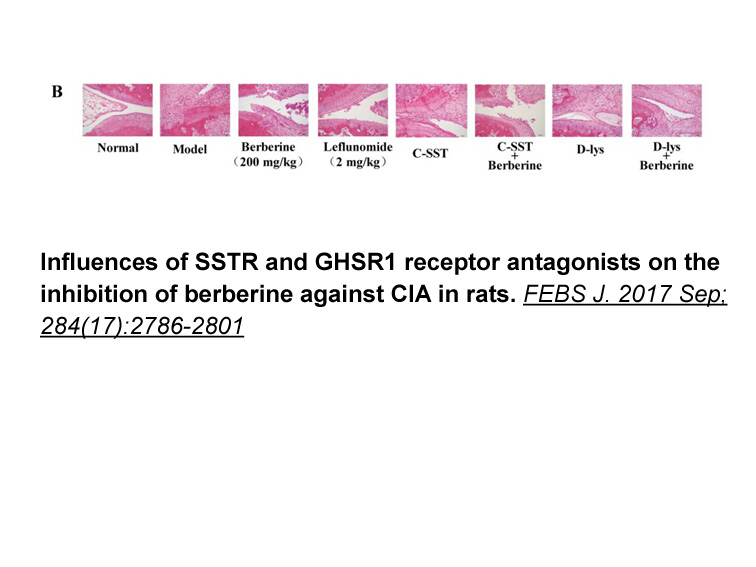
Apoptosis, a major process of programmed cell death, and in response to many chemopreventive agents (Jeyamohan et al., 2016). In general, two major signaling pathways control apoptosis, namely, a pathway mediated by cell death receptor and a pathway mediated by mitochondrion, and possible drug targe
-
The physiologic conditions and signaling mechanisms that reg
2025-02-12
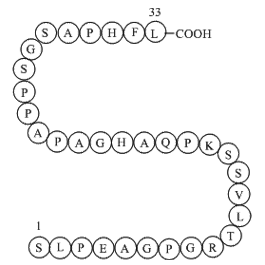
The physiologic conditions and signaling mechanisms that regulate apelin secretion and APLNR expression in malignant tissues appear to be multifactorial. Previous studies have shown that hyperplastic and neoplastic cholangiocytes secrete a variety of hormones, peptides, and growth factors that help
-
pioglitazone hcl 30 In an effort to increase
2025-02-12
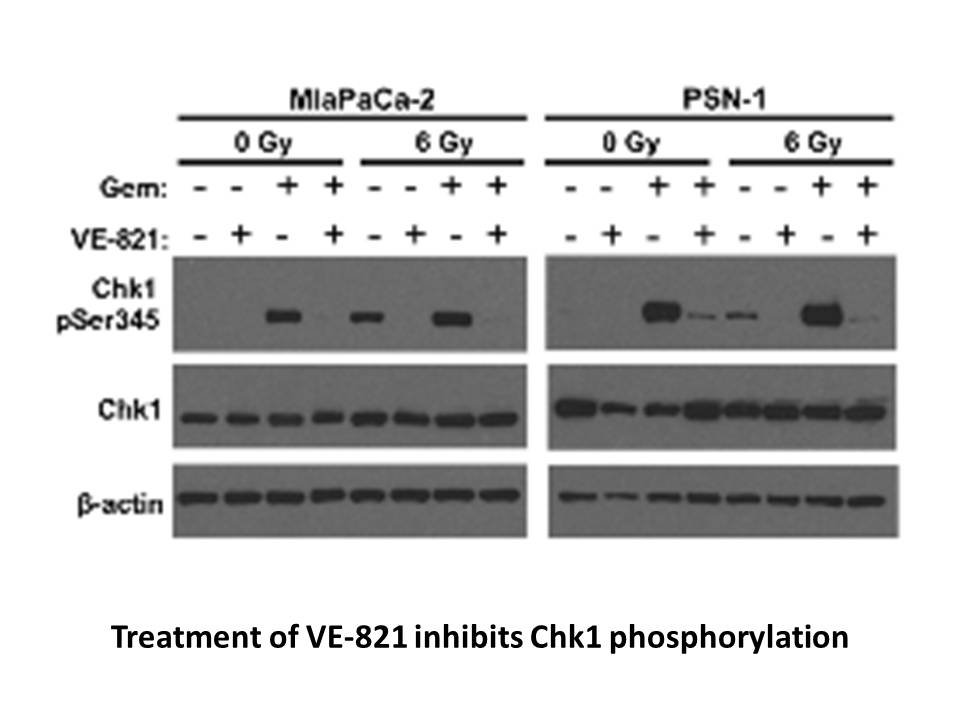
In an effort to increase antioxidant properties of peptides from WP, Le Maux et al. (2016) altered the hydrolysis conditions (pH, enzyme type, reaction time, and temperature). Hydrolysis of WP (81% protein) test samples with papain (EC 3.4.22.2) at a constant pH of 7.0 gave significantly higher ORAC
-
jlk Abnormalities in placentation in patients with
2025-02-12

Abnormalities in placentation in patients with PE appear to be associated with changes in different components of the signaling pathway that mediates cytotrophoblast migration/invasion. Studies have showed that the activation of the Notch signaling pathway is associated with the differentiation and
-
Although AMPK is a negative regulator of bioenergetic reprog
2025-02-12
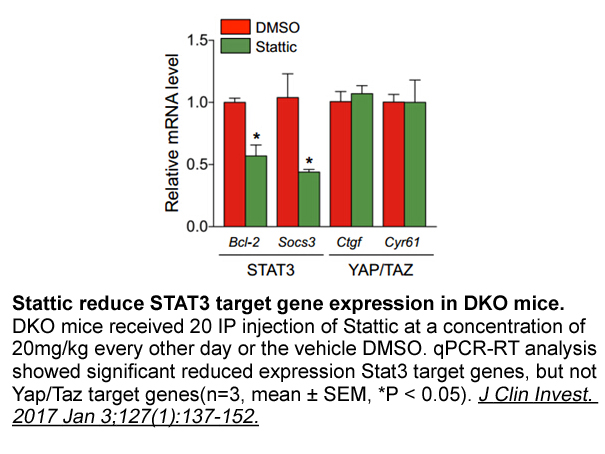
Although AMPK is a negative regulator of bioenergetic reprogramming in cancer cells, little is known about the role of AMPK in immunometabolism in sepsis. Our current study indicates that AMPKα dysfunction enhances PKM2-dependent aerobic glycolysis, which results in HMGB1 release in macrophages and
-
Similarly compound was prepared from aldehyde d by following
2025-02-12
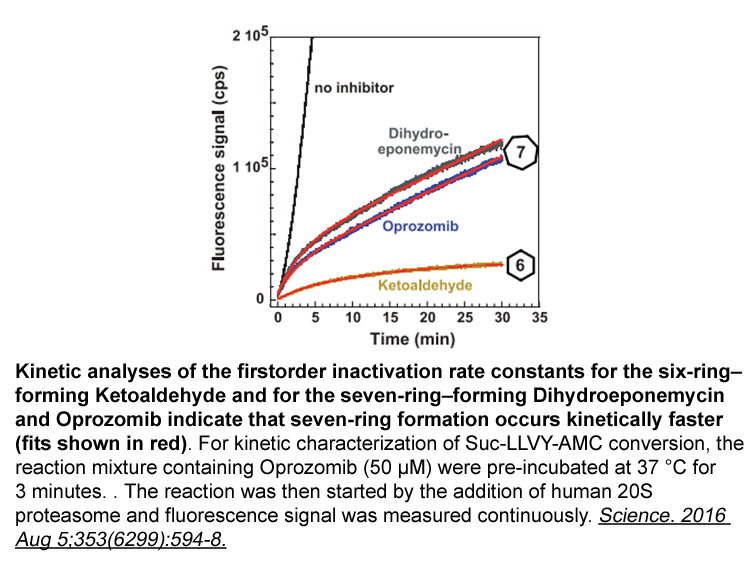
Similarly, Dryocrassin ABBA mg 13 was prepared from aldehyde 8d by following similar procedures (Scheme 3). Condensation of 13 with 7b or 7e provided the corresponding amides 9j or 9k, which then went through O-debenzylation by BCl3 to deliver the final compounds 10j and 10k in 37% and 32% overall
-
Recently a Phase III study demonstrated that alectinib the
2025-02-12
Recently, a Phase III study demonstrated that alectinib, the second-generation ALK inhibitor, might have a better response to ALK-rearrangement patients than crizotinib [10]. Should alectinib replace crizotinib as the frontline treatment for ALK-rearranged patients? Or should those patients be treat
16771 records 41/1119 page Previous Next First page 上5页 4142434445 下5页 Last page